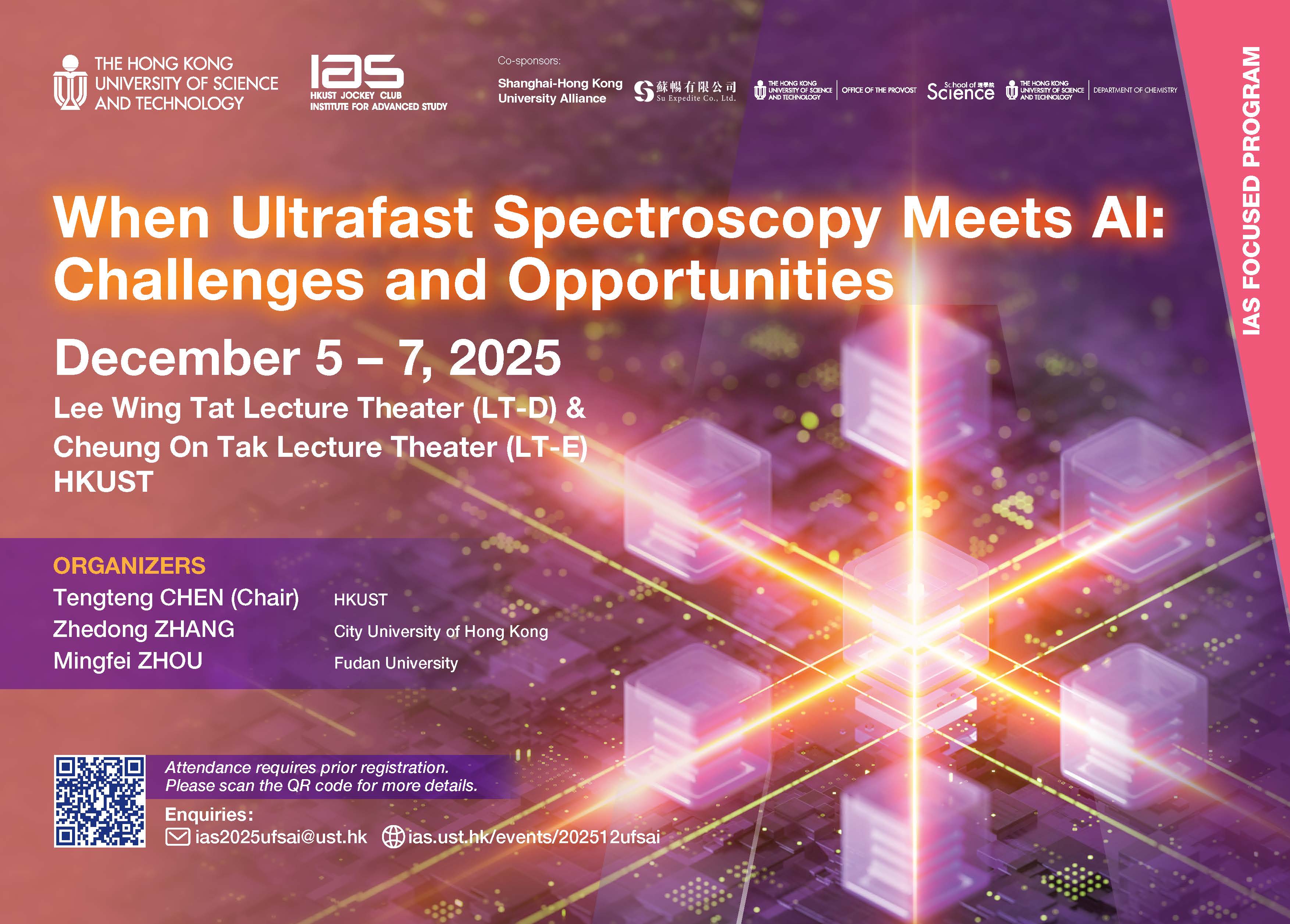
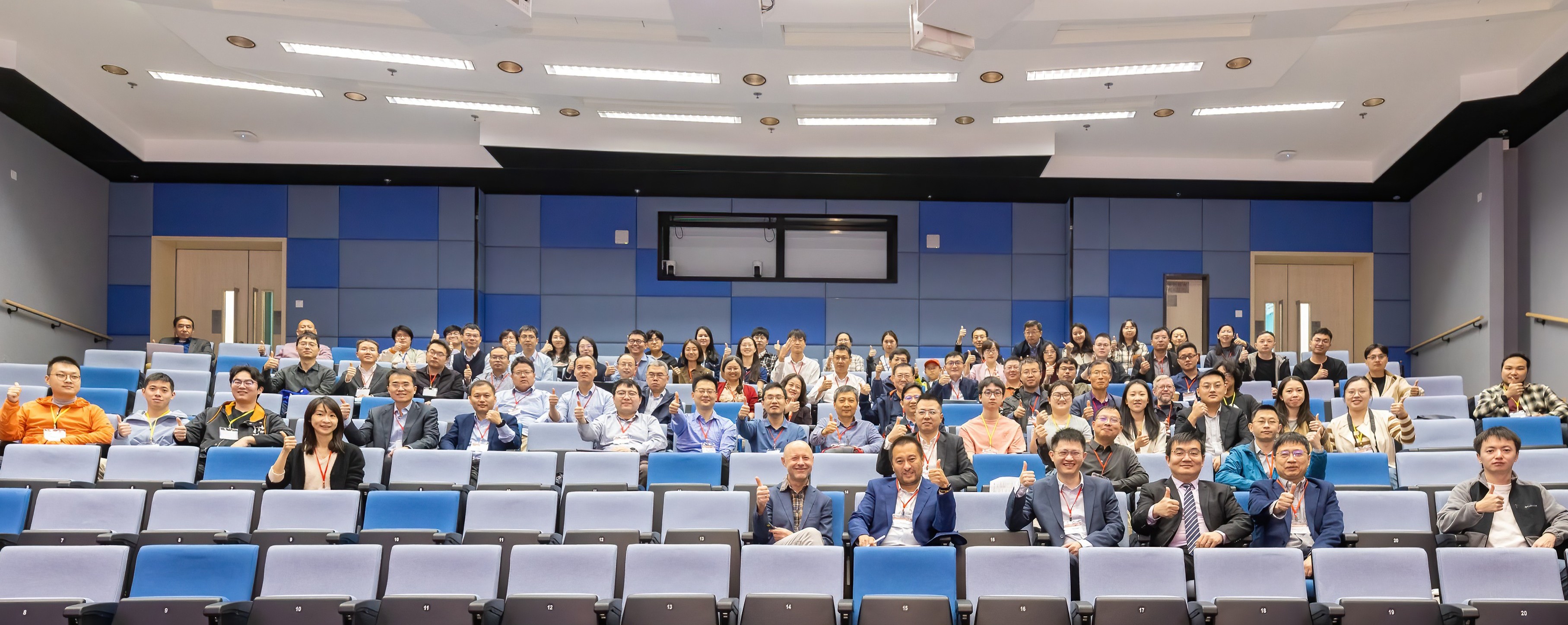
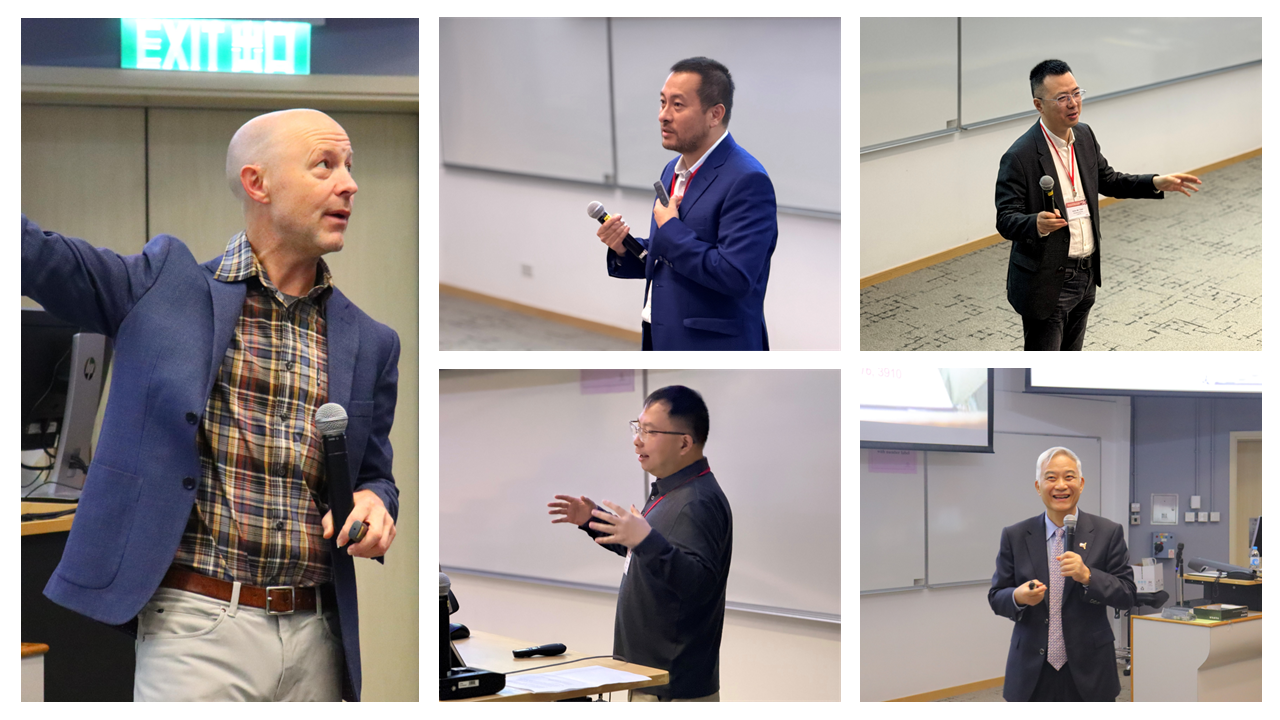
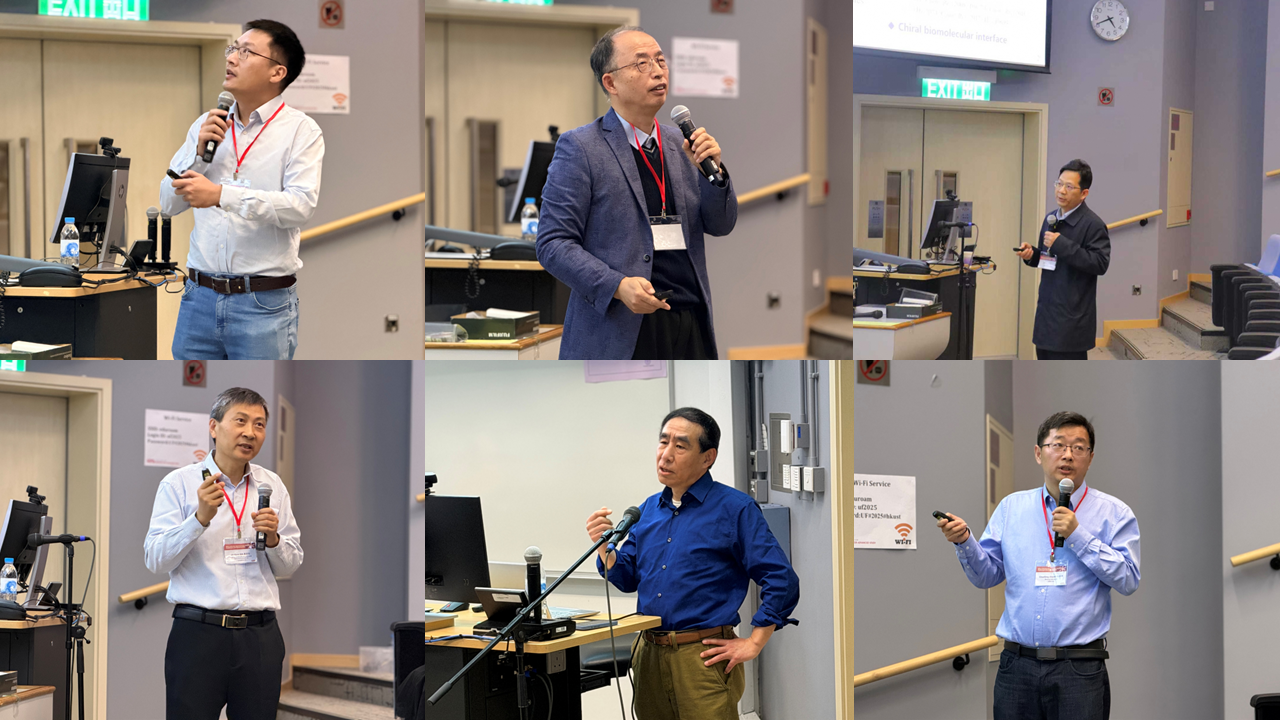
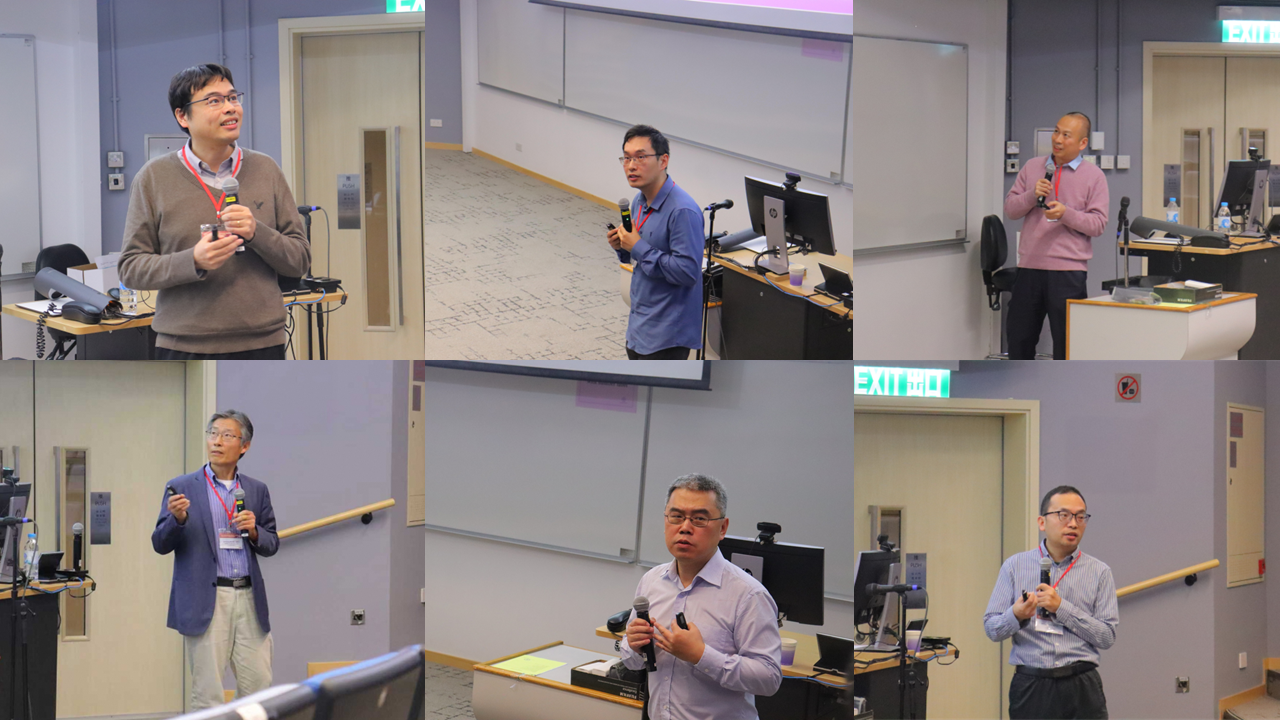
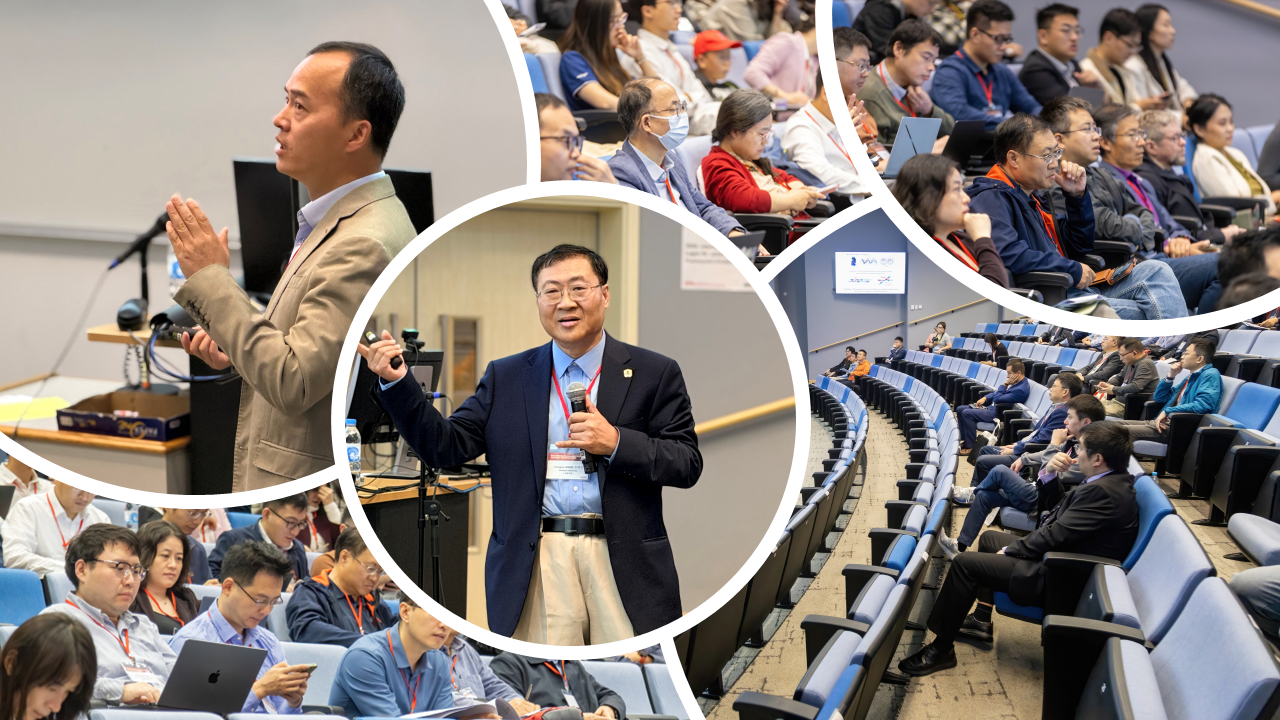
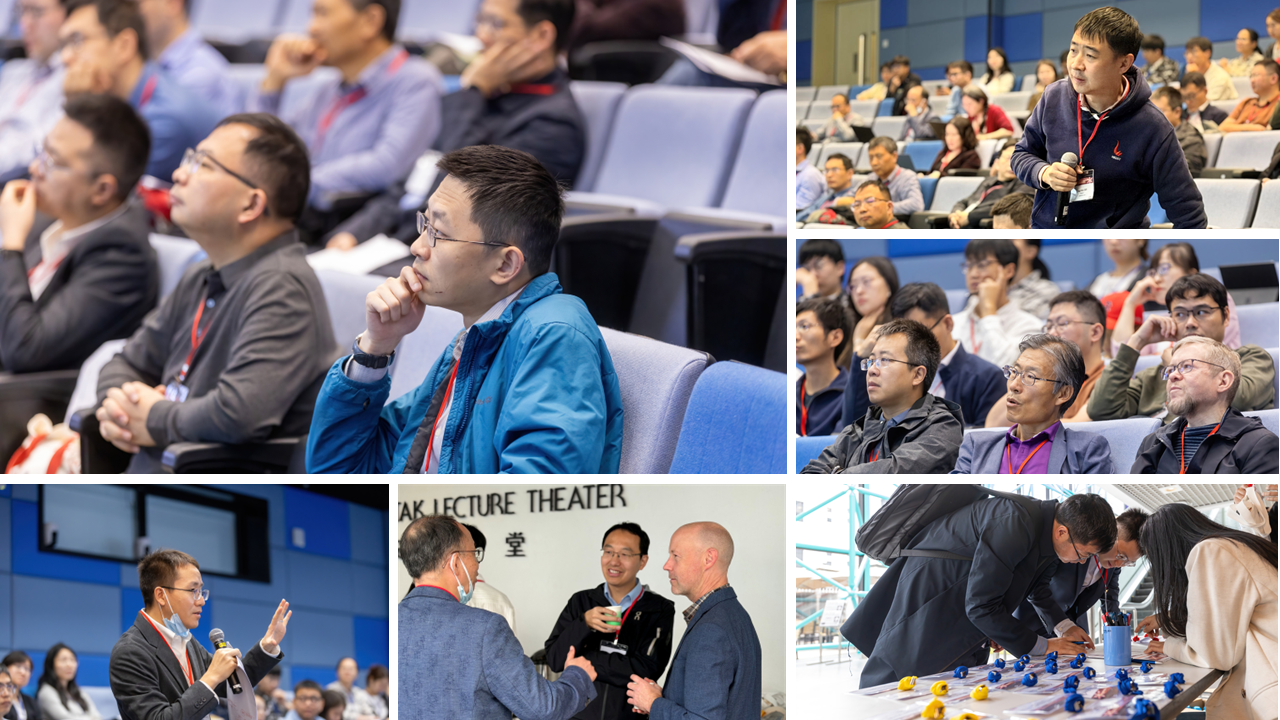
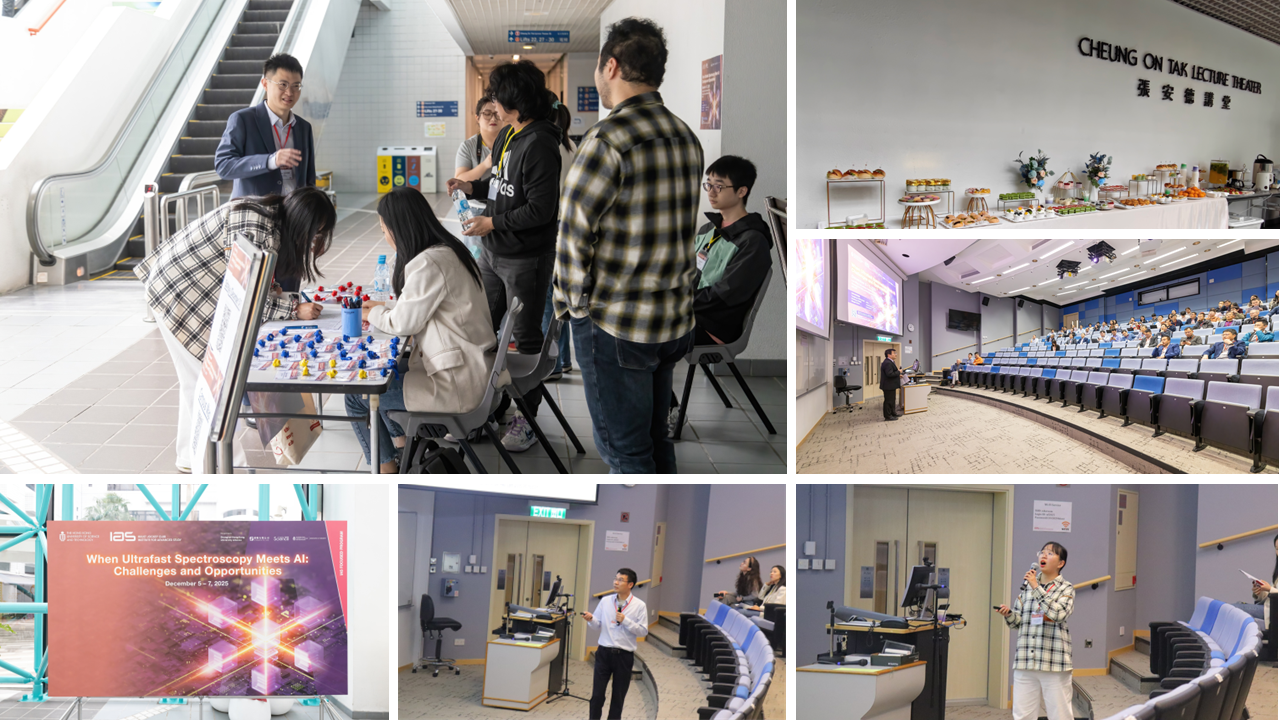
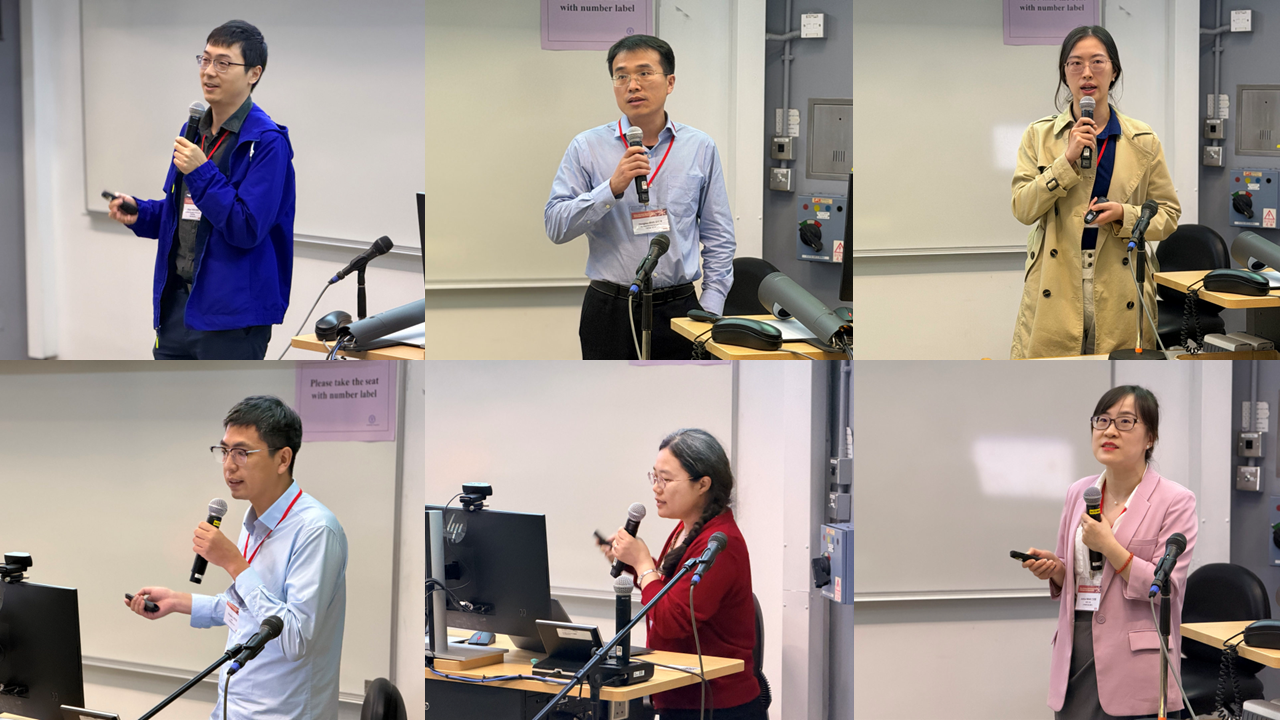
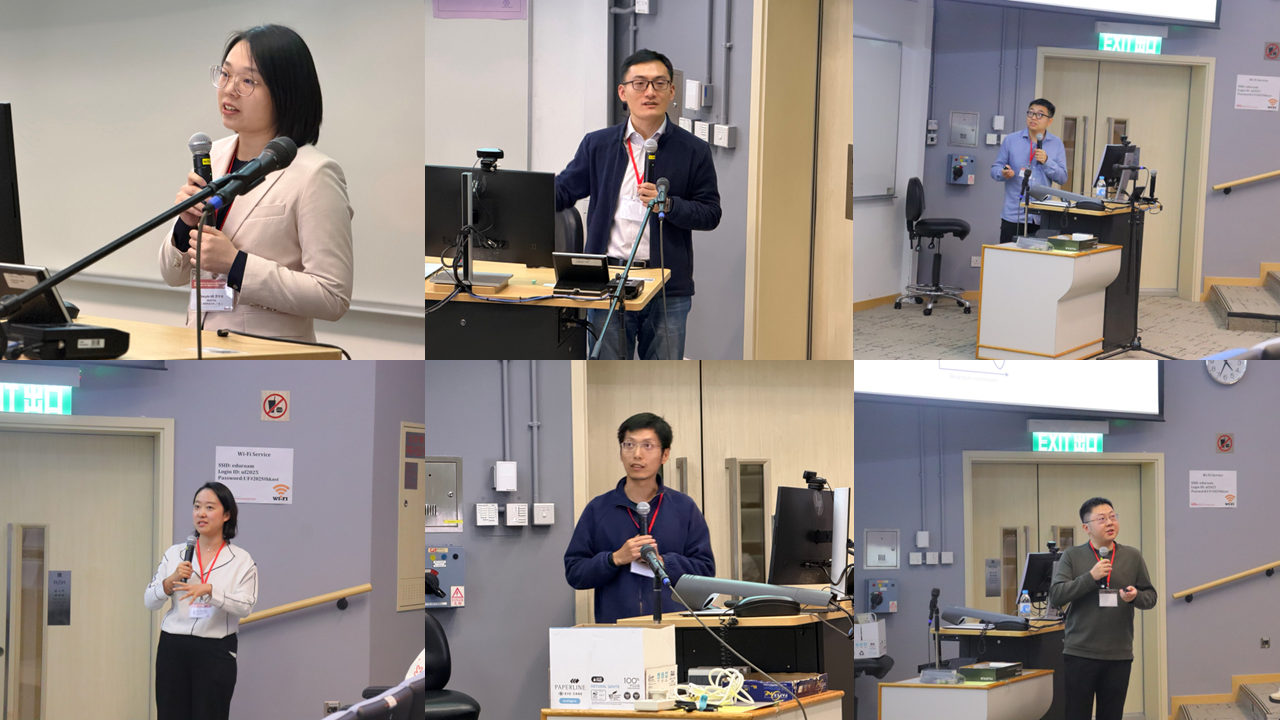
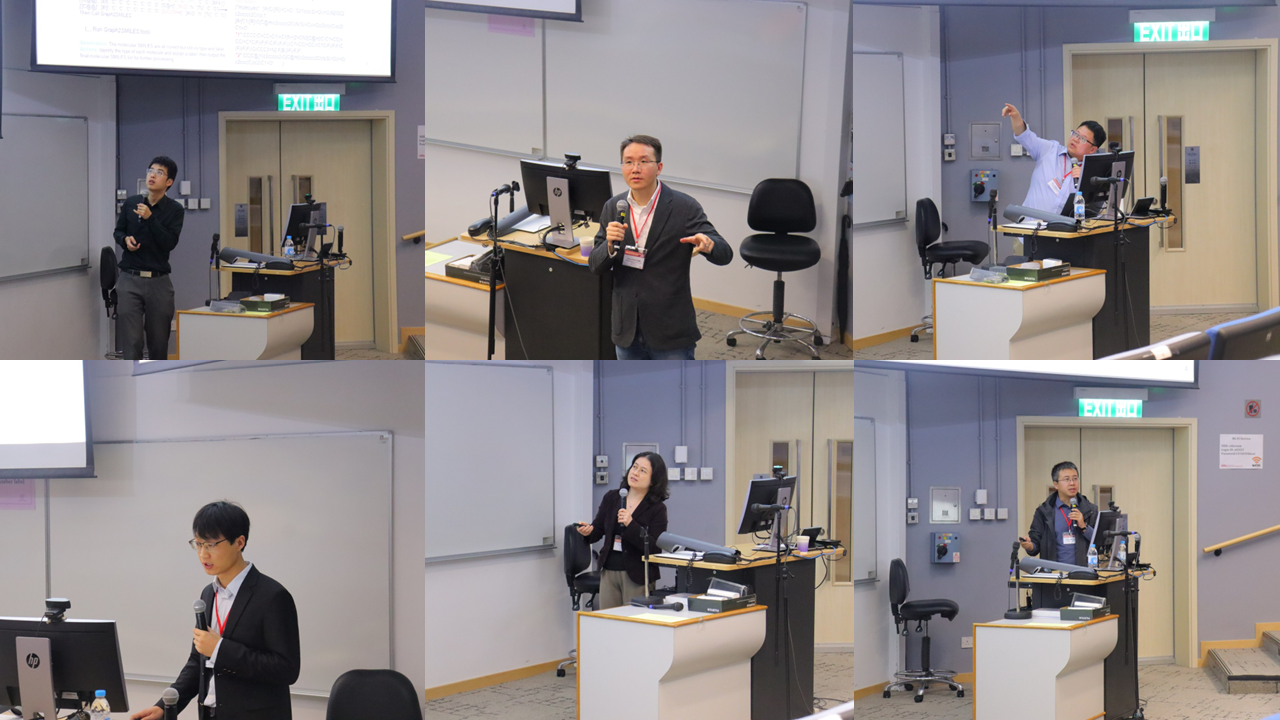
The Hong Kong University of Science and Technology (HKUST) hosted the international conference “When Ultrafast Spectroscopy Meets AI: Challenges and Opportunities” from December 5 to 8, 2025. The event brought more than 70 leading scholars from Chinese Mainland and the United States to the Clear Water Bay campus to explore the innovative applications of ultrafast spectroscopy and artificial intelligence (AI) in frontier scientific research. Centered on the theme of “AI for Science,” the conference aimed to build an open and intellectually rigorous platform, spark new scientific ideas, and promote regional collaboration and interdisciplinary innovation.
Jointly organized by HKUST’s Department of Chemistry, School of Science, and the Jockey Club Institute for Advanced Study, and co-organized by the Department of Physics at City University of Hong Kong (CityU), the conference highlighted Hong Kong as a regional hub for scientific exchange. Honorary chairs included renowned scientists Prof. Xueming Yang and Prof. Donghui Zhang (Academicians of the Chinese Academy of Sciences) from the Dalian Institute of Chemical Physics, and Prof. Mingfei Zhou (NSFC Distinguished Young Scholar; Vice President of Guizhou University; Head of the Department of Chemistry, Fudan University). Prof. Tengteng Chen from the Department of Chemistry at HKUST served as conference chair, with Prof. Zhedong Zhang from the Department of Physics at CityU as co-chair.
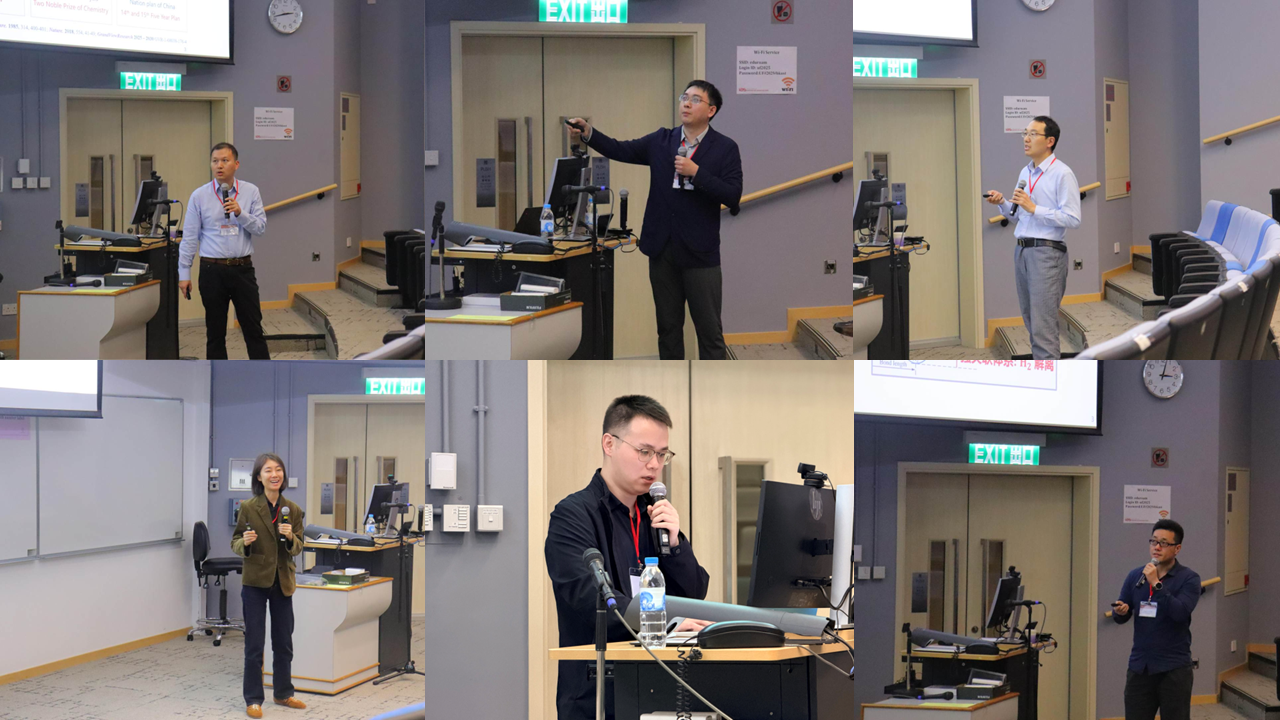
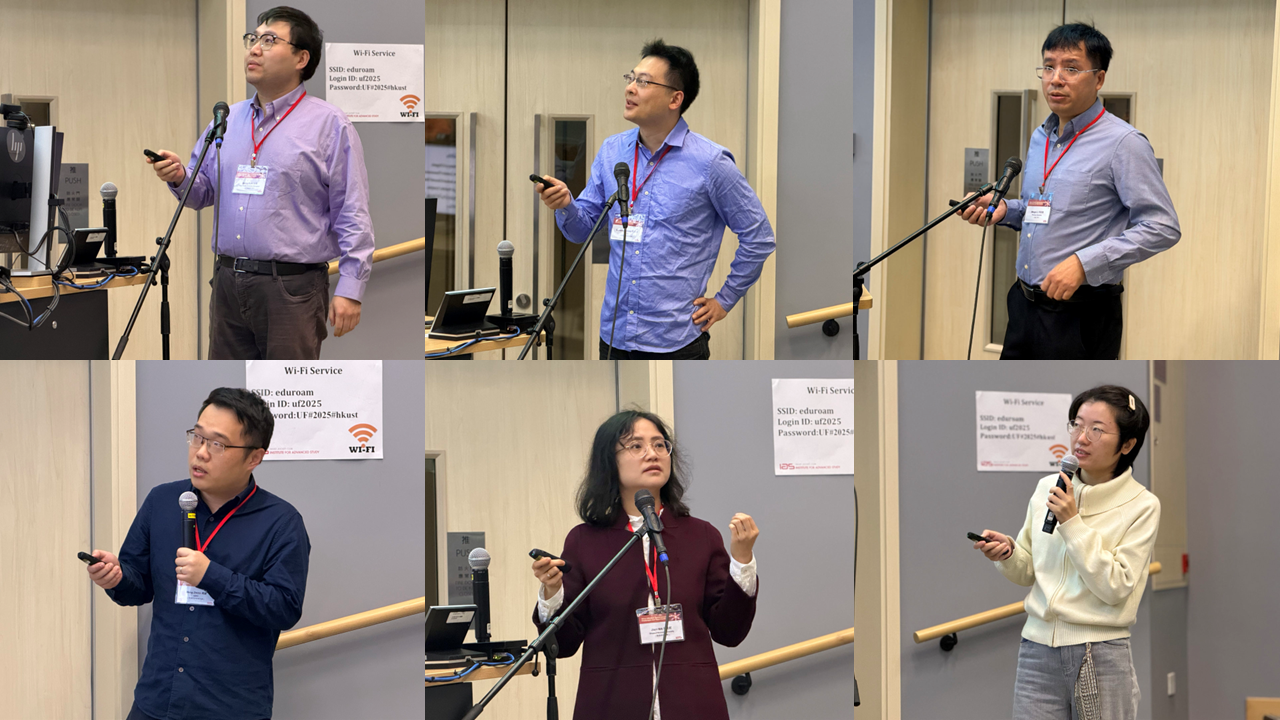
The four-day conference featured five plenary lectures and 45 invited talks delivered in two parallel sessions, offering a comprehensive overview of the latest experimental and theoretical advances. Distinguished speakers included Prof. Martin Zanni (University of Wisconsin–Madison; Member of the U.S. National Academy of Sciences), Prof. Wei Xiong (University of California San Diego; AAAS Fellow), Prof. Ben Zhong Tang (The Chinese University of Hong Kong, Shenzhen; Academician of CAS), as well as leading researchers from USTC, Peking University, Fudan University, and the Dalian Institute of Chemical Physics. Many of the invited speakers are recognized as NSFC Distinguished Young Scholars or recipients of other major national awards (see full list of participants).
The conference showcased cutting-edge progress at the interface of ultrafast spectroscopy and AI. Topics ranged from applications of ultrafast spectroscopy in emerging materials and new chemical systems to innovative AI-driven research methodologies and the development of next-generation ultrafast spectroscopic platforms. Through intensive discussion, participants agreed that the deep integration of ultrafast spectroscopy and AI in optical functional materials, energy conversion, and device applications will be a key trend in the coming years. The conference further stimulated collective thinking on constructing an integrated research framework linking “spectra–structure–property–intelligent optimization,” laying a solid foundation for future interdisciplinary collaboration and original breakthroughs.
AI-related presentations highlighted rapidly emerging directions such as “AI + spectroscopy” and “AI + experimental platforms.” Speakers discussed spectroscopic-descriptor-based robotic chemists, algorithm-driven adaptive experimental design, and intelligent analysis of multimodal spectroscopic data. By combining machine learning with high-dimensional spectroscopic datasets, the presentations demonstrated how AI can be used to construct complex reaction networks, enable high-throughput materials screening, and elucidate reaction mechanisms—significantly enhancing research efficiency and expanding the scope of tractable scientific problems.
Frontier developments in next-generation ultrafast spectroscopy were also extensively covered. Experts introduced high-repetition-rate two-dimensional spectroscopy, terahertz spectroscopy, and ultrafast structural probes based on X-ray free-electron lasers (XFELs). These powerful tools, enabled by simultaneous advances in temporal, spectral, and spatial resolution, allow researchers to track hidden, short-lived intermediates and nonadiabatic processes from the single-molecule level to condensed phases, addressing long-standing challenges in strongly correlated systems and complex interfaces. Clusteroluminescence and other emerging luminescence mechanisms formed another highlight: plenary talks reviewed progress from the initial discovery of clusteroluminescence to current mechanistic understanding and emphasized concepts such as “through-space conjugation” and “nontraditional luminophores” for efficient emission, providing design strategies for new luminophores in bioimaging, sensing, and information storage.
Throughout the conference, the organizers maintained a strong commitment to academic openness and intellectual exchange. Each presentation was followed by at least 20 minutes of discussion, fostering lively debate and constructive dialogue among participants. Scholars also enjoyed the beautiful HKUST campus—widely regarded as one of the most scenic universities in Asia—and the iconic night view of Victoria Harbour, further strengthening collaboration and friendship in a relaxed and collegial setting.
As the first international conference on ultrafast spectroscopy held in Hong Kong, it systematically showcased the latest achievements at the intersection of ultrafast spectroscopy and AI and created a valuable opportunity to deepen research collaboration between Chinese Mainland and Hong Kong. The event effectively promoted close interactions between young scientists in Hong Kong and research teams in the Chinese Mainland, contributing to the establishment of a long-term mechanism for coordinated development and laying a strong foundation for closer cooperation and complementary strengths in the future. At the same time, it further enhanced Hong Kong’s role as a bridge and hub for scientific exchanges between China and the United States, opening new opportunities for cross-disciplinary and cross-regional scientific innovation and talent mobility.
The organizing units acknowledge the strong support of the Office of the Provost at HKUST, the Shanghai–Hong Kong University Alliance at The University of Hong Kong, and other partner institutions. Generous sponsorship from Su Expedite Co., Ltd., Changsha LBTEK Co., Ltd., Dalian Time-Tech Co., Ltd., and Ginpie Technology Co., Ltd. helped make the event a success.